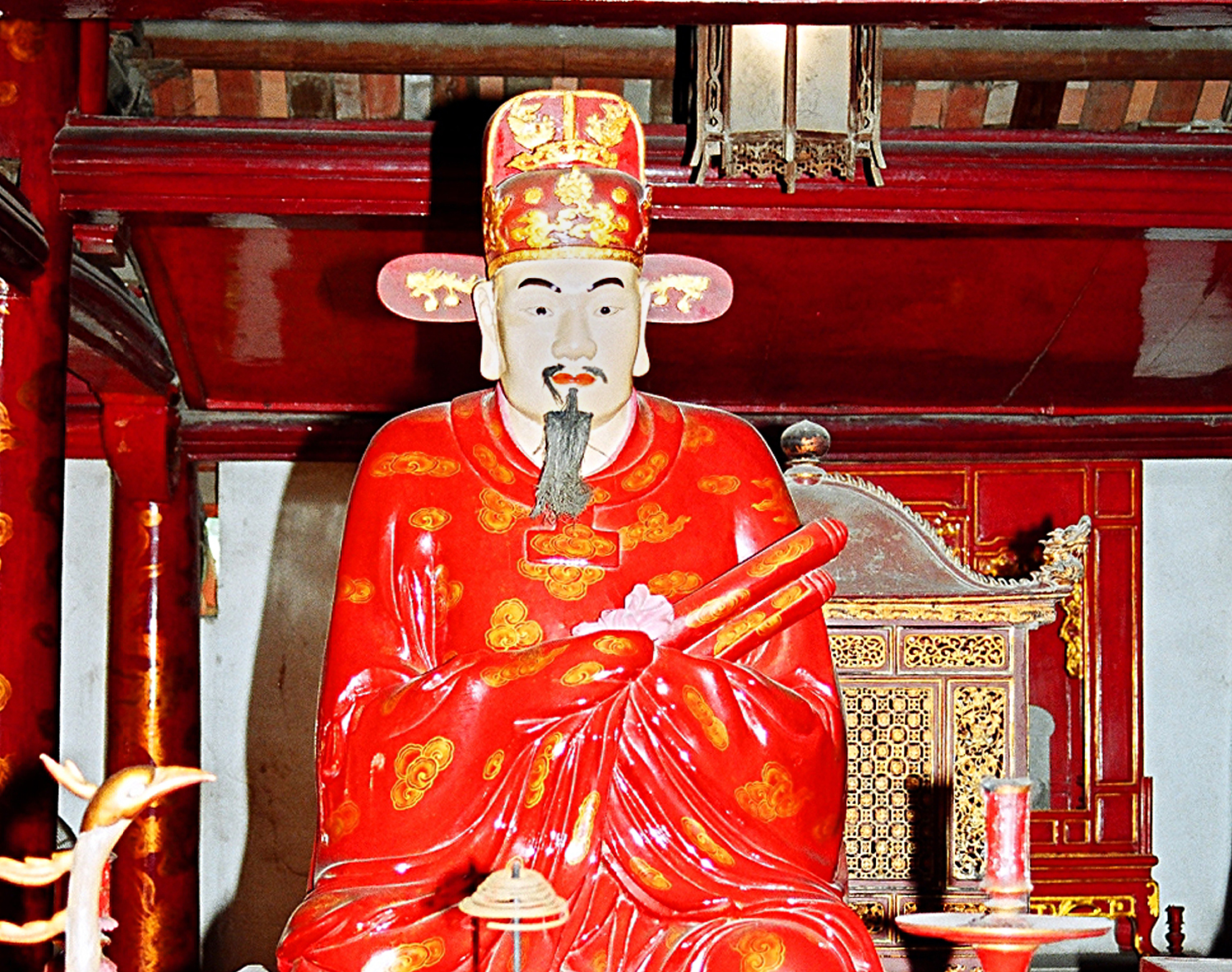
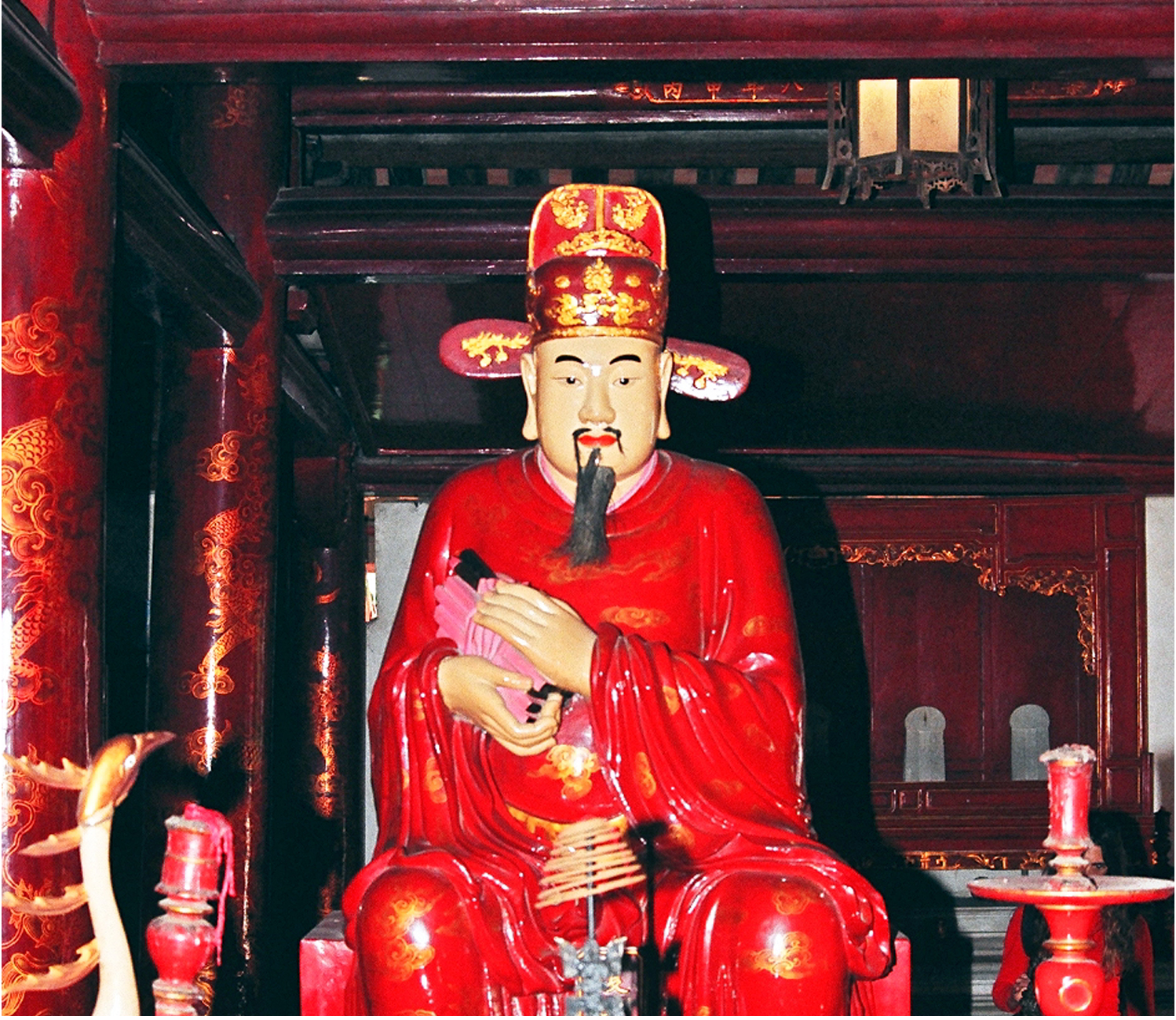
FOUR SAGES
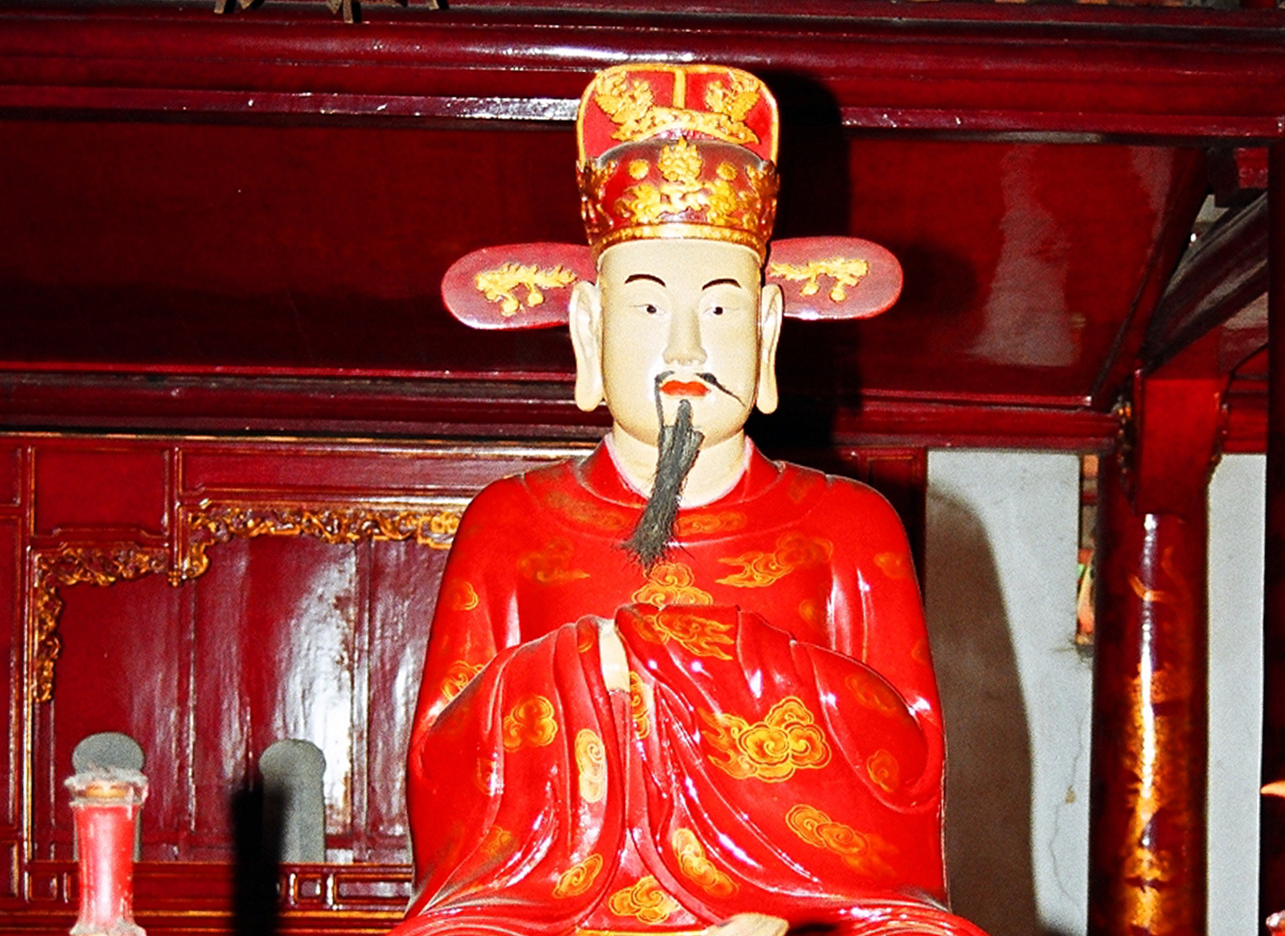
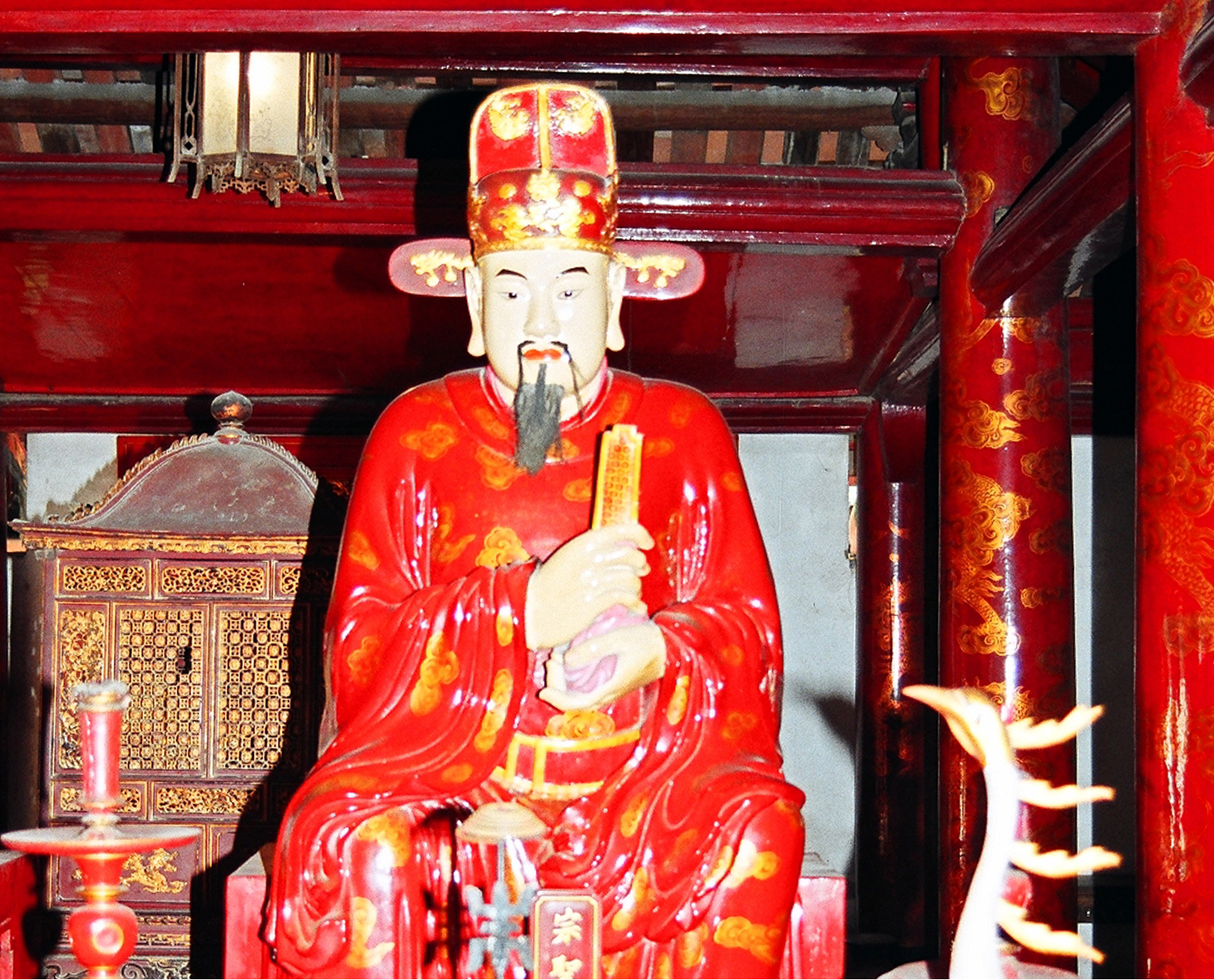
Four Sages refers to four Saints who are worshipped alongside Khong Tu and share in the offerings whenever sacrificial rites are performed.
The Tu Phoi consists of:
- Nhan Hoi (Nhan Tu), a disciple of Khong Tu.
- Tang Sam (Tang Tu), a disciple of Khong Tu.
- Khong Cap (Tu Tu), a disciple of Tang Sam and the grandson of Khong Tu.
- Manh Kha (Manh Tu), a disciple of Tu Tu.
1. PHUC THANH NHAN TU (513–482 BC)
Known by the courtesy name Tu Tu Uyen, also commonly called Nhan Uyen, he was a native of the state of Lo thoi Xuan Thu and a disciple of Khong Tu. Together with Tang Sam, he is regarded as one of the two most outstanding disciples of the Khong school. Nhan Uyen was gifted with natural intelligence and a love of learning — hearing one thing, he could grasp ten. He never showed anger toward anyone and never repeated the same mistake twice. Living in poverty — "a handful of rice, a gourd of water, dwelling in a narrow alley" — Nhan Hoi was renowned for his contentment in humble circumstances and joy in the Way, and was the disciple most in harmony with Khong Tu's ideals. Later generations regarded Nhan Hoi as the true heir to the spiritual lineage of the Khong school. Nhan Hoi died at the age of only 32. He was venerated by Confucians as a sage, and called Phuc Thanh ("the Sage of Restoration") because, in Khong Tu's own assessment, Nhan Hoi embodied the virtue of Ren and knew how to "discipline oneself and restore propriety" (Ke ky phuc le vi nhan). He is ranked first among the Tu Phoi.
2. TONG THANH TANG TU (505–436 BC)
Also known as Tang Tu, with the courtesy name Tu Tu, he was a native of Nam Vu during the Spring and Autumn period. Among Khong Tu's disciples, Tang Sam was not the most brilliantly gifted, but he possessed thorough, solid understanding and deeply grasped the unifying principle running through Khong Tu's teachings. The doctrine of "Trung Thu" (loyalty and forbearance) taught by Khong Tu was further developed by Tang Sam and transmitted to Tu Tu. When Khong Tu passed away, Tang Sam was only 27 years old. He continued to cultivate his learning on his own, and became famous for the saying: "Moi nhat tam tinh ngo than" ("Each day I examine myself on three points"). The Dai Hoc and the Hieu Kinh are two works in which Tang Sam recorded the teachings of Khong Tu to his disciples. Later generations considered the school of Tang Tu to have best preserved the essence of Khong Tu's philosophy.
3. THUAT THANH TU TU
Khong Cap, Thuat Thanh (492–431 BC)
With the courtesy name Tu Tu, Tu Tu was the son of Khong Ly (tu Ba Ngu) and the direct grandson of Khong Tu, as well as a disciple of Tang Sam. Tu Tu is considered the rightful heir of Khong Tu's doctrine. The Trung Dung, compiled by Tu Tu, is a celebrated work representing the philosophy of life central to Confucian thought. His commentaries on the mind and human nature are regarded as subtle and intellectually illuminating. Tu Tu's core idea — "Bat thien, bat dich, trung dung chi dao" ("Neither partial nor changeable — such is the Way of the Mean") — holds an important place in the history of Chinese thought. Tu Tu traveled to the states of Tong and Ve to lecture and teach, spreading the essence of Khong Tu's philosophy far and wide, winning great admiration among his contemporaries. Confucians commonly call him Thuat Thanh ("the Sage of Transmission") in recognition of his role in preserving and transmitting the thought and legacy of Khong Phu Tu.
4. A THANH MANH TU (371–289 BC)
Commonly known as Manh Tu, with the courtesy name Tu Du (which he shared with Tang Sam, and so the surname Manh is usually added to distinguish him). Manh Tu was from the land of Trau in the state of Lo, during the Warring States period. He was descended from the Manh Ton aristocratic clan. His father died early, and his mother, surnamed Cuu, was commonly known as Ba Manh Mau. She was a paragon of motherhood, celebrated for the story of how, in her determination to raise her son to become a virtuous person, she moved their home three times. Manh Kha was eventually admitted into the school of Tu Tu. At that time, the feudal lords of the house of Chu were competing and encroaching upon one another, the realm was in great turmoil, and scholars were rushing about to put into practice their strategies of alliance and diplomacy. Manh Kha traveled to the states of Te and Luong, devoting his full heart to upholding the moral ideals of the age of Duong Ngu and the three early dynasties. Manh Tu championed the doctrine of the innate goodness of human nature (tinh thien), and held Ren and Yi (benevolence and righteousness) as the standard by which to distinguish the kingly way from the way of hegemony in governance. He was an outstanding representative of Confucianism who proclaimed the idea that "the people are of supreme importance" (Dan vi quy), and held that harsh governance was more savage than tigers and leopards (Ha chinh bao u ho). Consistent with this view, Manh Tu took a firm stand against war and demanded that the ruling class practice benevolent governance. His principal work, the Manh Tu, comprises seven chapters recording his eloquent debates, written in vivid and richly figurative prose. It has had a profound influence in spreading and developing the teachings of Khong Phu Tu, and later generations of Confucian scholars have revered him as A Thanh — the Second Sage (a meaning "second in rank").